
Every day, the plumbing systems in schools, hospitals, and office buildings work quietly in the background. They keep restrooms functional, supply clean water, and ensure safe sanitation for everyone inside.
A structured plumbing maintenance is essential because even a small leak can disrupt operations, create health risks, and increase costs. Just as regular doctor visits protect your health, routine plumbing system maintenance protects your facility.
As a facility manager, your role is already demanding. You are responsible for safety, cost control, and ensuring occupants' comfort. A sudden plumbing breakdown puts all of these at risk. That is why you need a structured plumbing maintenance plan that helps you stay ahead of problems.
This guide provides a practical plumbing maintenance plan tailored for Massachusetts facilities. Inside, you will discover a detailed commercial plumbing maintenance checklist that breaks down daily, weekly, monthly, and annual tasks.
With clear plumbing maintenance steps and practical examples, you can keep your systems compliant and efficient.
Let's dive right in.
What is Commercial Plumbing Maintenance?
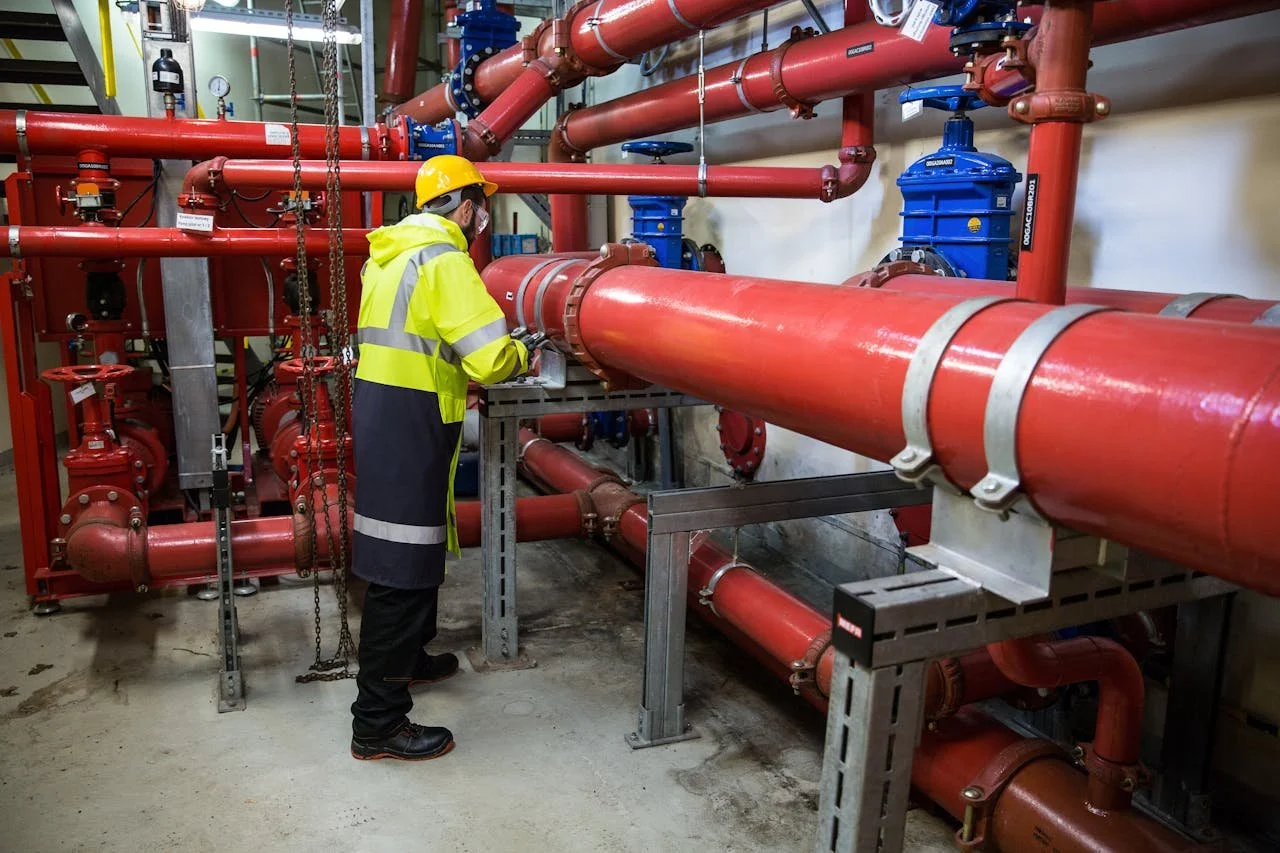
At its core, commercial plumbing maintenance is about prevention. It is the process of routinely inspecting and caring for a building’s plumbing systems so they continue to operate without disruption.
A strong plumbing preventive maintenance checklist works like an annual physical exam for your property. Instead of reacting to pipe bursts or drain backups during business hours, you take control with scheduled upkeep.
The purpose of a plumbing maintenance schedule is clear:
Avoid unplanned shutdowns that disrupt tenants or customers
Prolong the lifespan of plumbing fixtures, pumps, and valves
Maintain compliance with Massachusetts codes and health regulations
Provide consistent safety and comfort for building occupants
For facility managers, a proactive plumbing maintenance plan is a wise investment that prevents emergencies and controls long-term plumbing maintenance costs.
Core Areas of Plumbing Maintenance
A complete plumbing maintenance guide should address every significant component of a facility’s system. When you bring in a licensed commercial plumbing contractor, the work typically focuses on the following areas:
Water Supply Systems
Maintenance includes inspecting main water lines, valves, and pressure regulators to confirm steady flow. Technicians look for leaks, corrosion, or mineral buildup that may restrict supply.
Drainage and Sewer Systems
A preventive plumbing maintenance checklist often includes camera inspections to detect hidden clogs or pipe damage before problems escalate. Professionals inspect floor drains, sewer lines, and cleanouts to verify proper flow.
Fixtures and Restroom Equipment
High-traffic restrooms constantly stress fixtures such as sinks, faucets, toilets, and urinals. During maintenance visits, plumbers test flushing systems, check seals, and replace worn components.
Water Heaters and Boilers
Hot water is a requirement in most facilities, especially in healthcare, food service, and hospitality. Maintenance tasks include flushing tanks to remove sediment, inspecting safety valves, and testing temperature controls.
Specialty Systems
Certain facilities rely on specialized systems that require careful monitoring.
Grease traps in restaurants need routine cleaning and inspection to avoid costly blockages.
Sump pumps in basements or mechanical rooms are checked for proper function to prevent flooding.
Some buildings also have irrigation systems or fire protection connections that must always remain operational.
Testing and Compliance
Every commercial plumbing maintenance checklist should include testing and documentation for compliance with Massachusetts plumbing codes, such as pressure tests, backflow inspections, and water quality checks.
Maintaining proper records ensures compliance with state and local requirements, helping to avoid penalties and liability issues.
PLUMBING MAINTENANCE CHECKLIST FOR FACILITIES IN MA
Managing a building requires ensuring safe and efficient water flow. A commercial plumbing maintenance checklist helps your team maintain daily systems, improving performance, reducing costs, and supporting long-term maintenance.
To make this easier, we’ve outlined a step-by-step guide to put these simple plumbing maintenance steps into practice at your facility or building.
Daily Commercial Plumbing Maintenance Checklist in Massachusetts
A consistent commercial plumbing maintenance checklist is beneficial for any facility. Daily checks help staff identify issues early, reducing long-term maintenance costs.
🗹 Visual Leak Check
Walk through restrooms, kitchens, utility rooms, and mechanical rooms. Look for dripping faucets, running toilets, or puddles on the floor. Small leaks drive up water bills and may signal the need for commercial plumbing repair.
🗹 Drain Flow Observation
Confirm that sinks, janitorial basins, and floor drains move water freely. Report slow drainage immediately, indicating grease buildup or early sewer line issues. Logging these notes into your facility plumbing maintenance checklist keeps repairs organized.
🗹 Restroom Functionality
Flush toilets and urinals to verify smooth operation. Test faucets, especially those with sensors, to ensure steady water flow. Malfunctioning fixtures affect customer satisfaction and create unnecessary wear on your system.
🗹 Water Heater Temperature Spot-Check
Test hot water in key areas such as restaurants, schools, and healthcare facilities. Massachusetts regulations require 110 to 120 degrees of water temperature in public restrooms. Routine checks support your plumbing system maintenance checklist and keep you compliant with health codes.
🗹 Pump and Sump System Quick Check
Inspect sump pumps in basements and lower levels. Watch for excessive cycling or alarm signals. Addressing these issues early reduces the risk of flooding and improves your overall plumbing system care and maintenance program.
Weekly Plumbing Maintenance Checklist for Facilities in MA
Weekly commercial plumbing inspections reduce emergency calls, keep your plumbing system maintenance checklist on track, and ensure your facility complies with state rules.
Whether handled by in-house staff or a licensed commercial plumber in Massachusetts, weekly care plays a significant role in a reliable plumbing maintenance program.
🗹 Grease Trap Inspection
Restaurants, cafeterias, and schools must maintain grease traps. Remove solids, check fluid levels, and schedule pumping when needed. Massachusetts DEP regulations require consistent service to prevent sewer blockages and environmental violations.
🗹 Water Pressure Check
Use gauges to measure pressure at different points in the system. Commercial buildings should stay between 50 and 80 PSI. Too high pressure stresses pipes, while low pressure limits fixture performance.
🗹 Valve and Shutoff Check
Test all emergency shutoffs and isolation valves weekly to confirm they turn easily. Stuck or corroded valves delay emergency response times, which can increase plumbing maintenance costs if leaks spread unchecked.
🗹 Drain Line Flushing
Pour water into floor drains to refill P-traps. This prevents sewer gas from entering workspaces or public areas. Consistent flushing is one of the most effective plumbing maintenance best practices for high-traffic facilities.
🗹 Backflow Device Walk-By
Perform a quick visual check of backflow preventers. Look for leaks or warning tags. Although state law requires annual backflow testing through certified plumbing inspection services in Massachusetts, weekly walk-throughs help catch issues early.
Monthly Plumbing Maintenance Checklist Massachusetts Facilities Should Follow
A monthly plumbing maintenance checklist helps Massachusetts facilities catch issues before they disrupt operations. These tasks should be performed by professionals, going beyond daily or weekly inspections.
🗹 Full Fixture Check
Have a plumber review faucets, toilets, urinals, and flushometers. Check for leaks, weak water flow, or parts that need replacement. This step improves efficiency and reduces long-term plumbing maintenance costs.
🗹 Water Heater and Boiler Maintenance
Flush tanks to remove sediment and confirm safety valves are operating. Inspect tankless models for scaling, which is common in the region. Proper service extends equipment life and supports your plumbing system maintenance checklist.
🗹 Pump System Testing
Test sump pumps, sewage ejector pumps, and booster pumps monthly. Verify that backup power systems are connected and ready.
🗹 Sewer Line Camera Inspection
If clogs or backups happen more than once, use a camera inspection. This tool shows the main sewer line's cracks, buildup, or roots.
🗹 Pipe Insulation Review
Check all exposed pipes, especially in unheated spaces. Apply insulation to protect against freezing in cold weather. This is one of the most practical plumbing maintenance tips for facilities in Massachusetts.
🗹 Water Quality Testing
Test hardness levels and pH balance. Many facilities need water treatment systems to reduce scaling in boilers and fixtures.
Annual Plumbing Routines for Massachusetts Facilities
Certain inspections and services must be performed yearly by a licensed professional. These tasks are not optional; they are required by state law and protect the safety of your building occupants.
You ensure long-term reliability and compliance by including them in your commercial plumbing maintenance Massachusetts schedule.
🗹 Backflow Prevention Testing
Massachusetts DEP mandates annual testing of backflow prevention devices to safeguard drinking water. Only certified testers under a plumbing maintenance contract can conduct this testing, and neglecting it can lead to fines, water supply issues, and legal penalties.
🗹 Fire Protection Plumbing Inspection
Fire pumps, sprinkler connections, and standpipes need annual inspection as part of the facility plumbing inspection. A licensed professional confirms these systems are leak-free and compliant with NFPA codes and the Massachusetts State Plumbing Code.
🗹 Sewer Line Jetting
Older facilities with brick or cast-iron piping benefit from annual hydro-jetting. High-pressure water removes grease, mineral scale, and buildup that can block sewer lines.
🗹 Boiler and Water Heater Service
Annual tune-ups keep boilers and water heaters reliable. Licensed plumbers conduct combustion tests, inspect safety valves, and perform adjustments for efficiency.
🗹 Full Building Plumbing Audit
A yearly building plumbing audit reviews the facility's visible pipes, valves, and fixtures. This plumbing system inspection identifies corroded galvanized pipes, worn-out valves, or outdated mixing valves.
Early detection reduces long-term plumbing maintenance costs and supports a solid plumbing maintenance plan.
🗹 Storm and Sump Drainage Review
Massachusetts facilities face heavy seasonal rainfall and snowmelt. Annual inspections ensure sump pumps and storm drains are clear and ready. These checks are vital to any plumbing maintenance guide for buildings exposed to flooding risks.
🗹 Code Compliance Review
A professional plumbing inspection service provider in Massachusetts will confirm your facility meets the Massachusetts State Plumbing Code (248 CMR). This includes ADA compliance, venting standards, and cross-connection control.
How to Choose the Best Commercial Plumber in Massachusetts for Your Facility’s Plumbing Maintenance
Selecting the right partner for your commercial plumbing maintenance is one of the most critical decisions a facility manager can make. The right contractor can help you avoid frequent breakdowns, reduce long-term costs, and ensure your building complies with Massachusetts codes and inspection requirements.
When choosing a commercial plumbing company in Massachusetts, make sure they fit the requirements below:
Check Licensing and Compliance
Verify that the plumber has a valid Massachusetts journeyman or master license. Request proof of liability and workers’ compensation insurance, and ensure they adhere to the Massachusetts Plumbing Code. This helps protect your facility from fines and safety risks.
Look for Commercial Experience
Commercial plumbing needs specialized expertise. Whether it's a restaurant, healthcare facility, or office complex, choose a plumber experienced in your type of building for faster, reliable results.
Prioritize Responsiveness and Preventive Programs
Emergencies can occur anytime, so ensure your plumber provides 24/7 commercial plumbing repair. Also inquire about preventive maintenance programs to avoid major breakdowns and manage costs through scheduled inspections and documentation.
Compare Tools and Technology
Modern plumbing tools significantly enhance efficiency and accuracy. Camera inspections help plumbers quickly locate blockages, while hydro jetting removes debris safely and thoroughly. This technology leads to reduced downtime and more cost-effective plumbing maintenance.
Evaluate Reputation
Reputation matters. Read reviews, request references, and look for well-established commercial plumbing companies with long-standing service in Massachusetts.
Demand Transparency and Professionalism
Transparent pricing and clear communication are crucial. Request detailed estimates, inquire about after-hours billing, and select a contractor who explains issues clearly. A professional partner who values communication will ease facility plumbing maintenance.
Quick Tip
Keep a shortlist of two or three trusted providers. Having two or three commercial plumbers in Massachusetts that you can rely on ensures you’re prepared for routine care and emergencies.
Protect Your Facility with Consistent Plumbing Maintenance
Regular commercial plumbing maintenance is more than checking pipes and drains. It protects the people in your building, safeguards property, and controls your budget. A proactive approach helps you stay ahead of unexpected failures.
Use the facility plumbing maintenance checklist in this guide as a practical tool. Encourage your team to document every inspection, repair, and adjustment. Over time, these records create a valuable history that simplifies audits and reduces overall plumbing maintenance cost.
When your team is ready to take the next step, partner with a licensed commercial plumber in Massachusetts to ensure your facility's plumbing stays in tiptop shape.
Our team at Jovel Inc. specializes in complete plumbing repair and maintenance services and ensures every system is cared for with proven plumbing maintenance best practices.
Contact us today to set up a tailored plumbing maintenance contract that keeps your building safe, efficient, and compliant!
