
What to Do if Your Basement Floods?
Basement flooding is one of those problems that catches most homeowners off guard. We tend not to think much about the basement until the water rises. One day, it’s just another quiet part of your home, and the next, you’re dealing with soaked boxes, ruined carpet, and that musty smell no one wants to deal with. In moments like this, the question, “What should I do if my basement floods?” suddenly becomes very real.
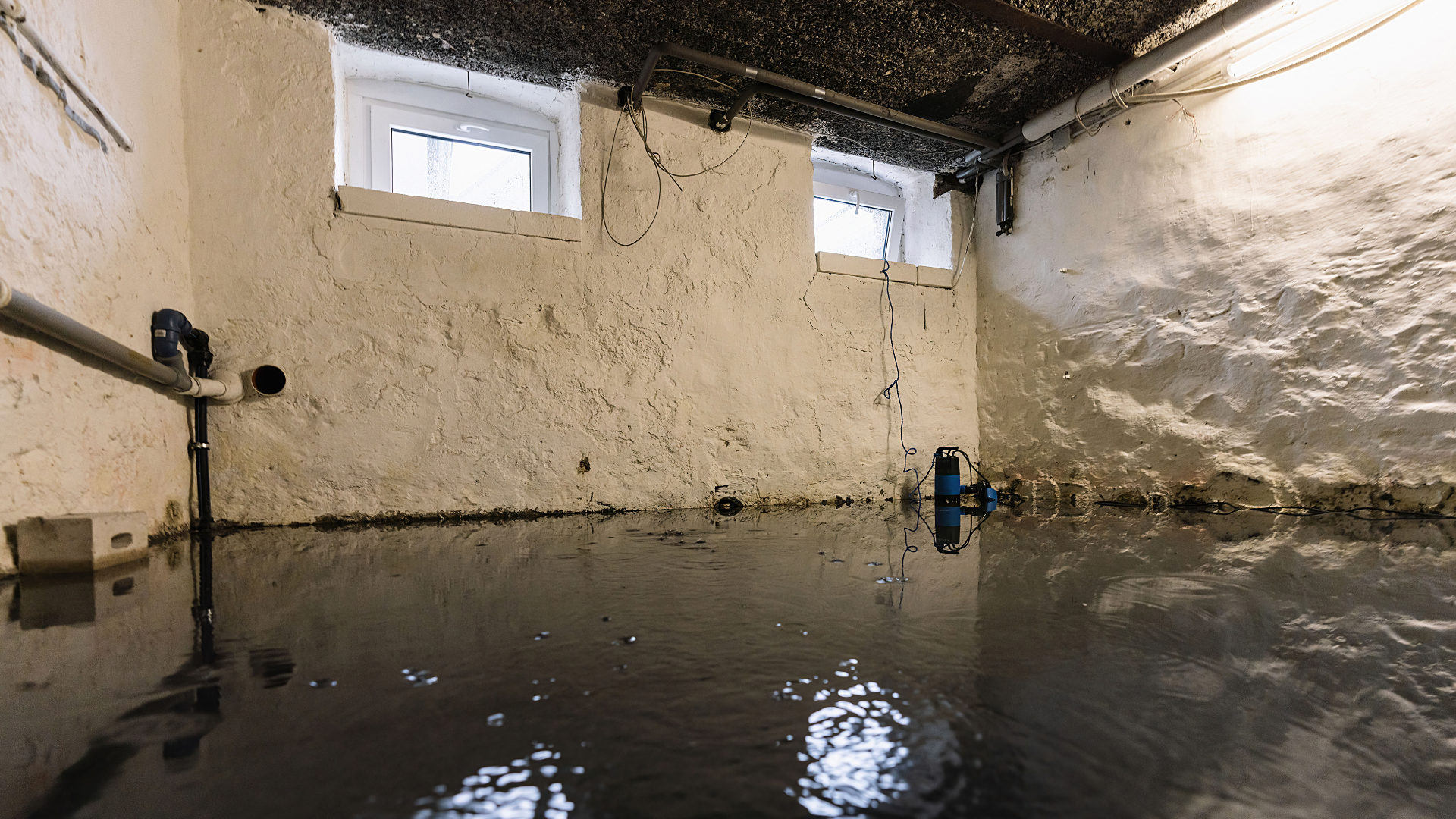
Basement flooding can occur for several reasons, including heavy rains, fast-melting snow, plumbing issues like burst pipes or faulty sump pumps, and cracks in the foundation or clogged gutters. In Massachusetts, frequent heavy rains and aging infrastructure make this problem more common, especially in homes near low-lying areas or high water tables.
We’re here to help you with basement flooding issues. We’ll guide you on how to safely remove water from your basement and when it's time to call a professional.
Let’s get started.
Note: If you are in Massachusetts and require emergency assistance for your flooded basement, call us at (978) 593-3220, and we will respond immediately!
1. Ensure safety first
When your basement floods, your instinct might be to go down and start handling the mess immediately. But hold off for a moment - safety always comes first, especially when electricity and standing water are involved.
If your basement is flooded and you notice signs like flickering lights or water near electrical outlets, your first step is to turn off the power. If you know how to do it, turn off the main breaker at your breaker panel. But if the water has reached the electrical system, or if you're unsure, call an electrician or your utility company for help.
Never walk through a flooded basement if there’s a chance the power is still on, as this can lead to serious accidents.
If you notice rapid flooding in the basement or signs of structural damage like foundation cracks or wall buckling, evacuate immediately. Water pressure can compromise your home’s structure, making it unsafe to stay.
After ensuring the area is secure, you can begin cleanup and recovery, starting with safety measures, checking your sump pump, and removing water.
2. Figure out what you're dealing with
Once the immediate danger has passed and you’ve turned off the power, the next thing you want to do is figure out what caused your basement to flood in the first place.
Heavy rain causing water to pool or enter through basement windows typically indicates a drainage issue. This can result from poor yard grading, clogged gutters, or overwhelmed storm drains.
If the water smells terrible and looks dirty or dark, it may indicate a sewer backup, which is serious, especially if connected to the city sewer.
If your basement floods with sewage, step away, avoid contact, and call a professional plumber or restoration crew immediately. Sewer water carries harmful bacteria and should only be handled with proper safety gear.
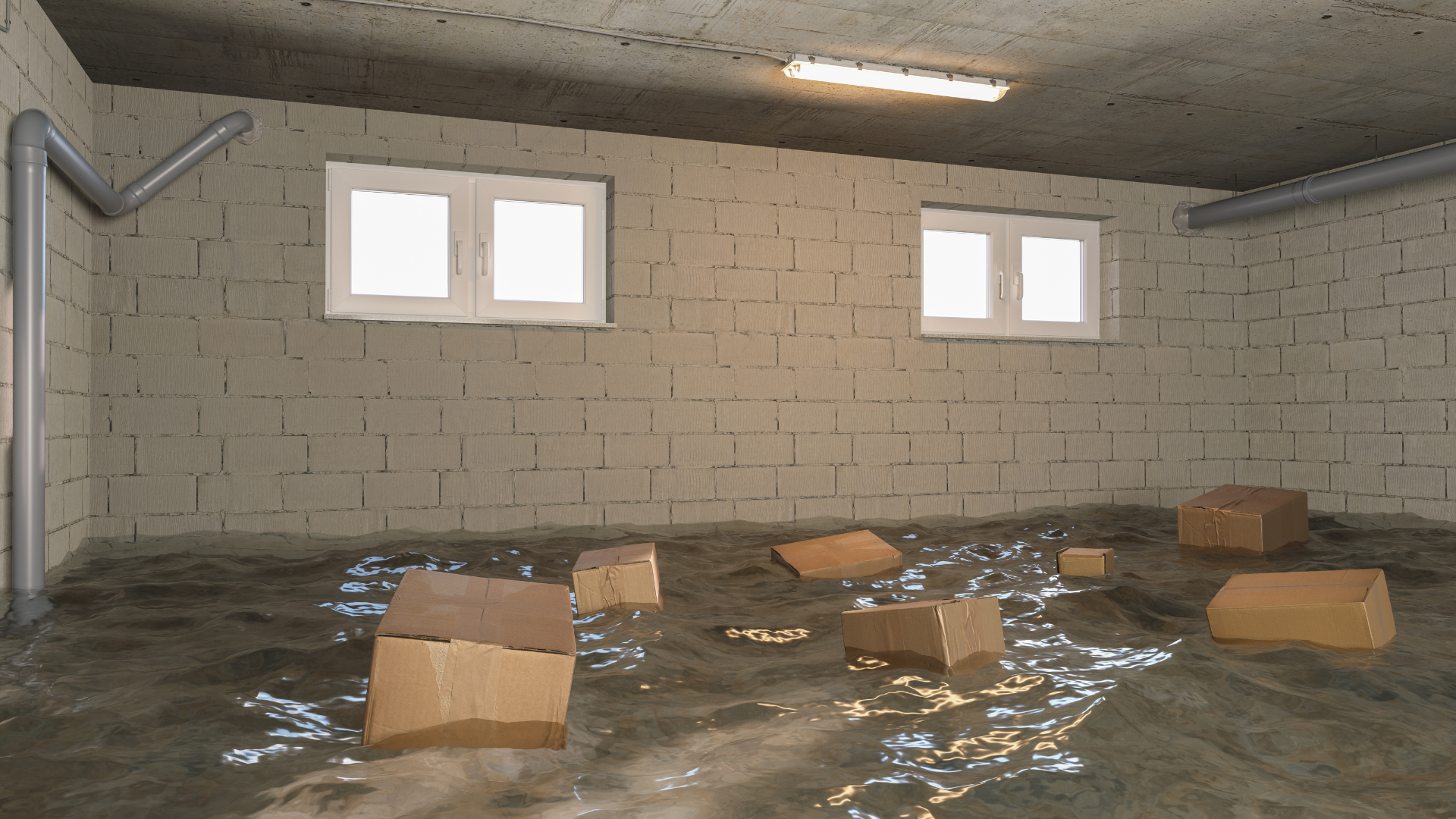
If the water is clear, you might have a burst pipe or leak. A hissing sound in the walls or unusual dripping can indicate a broken water line. Shutting off the main water valve quickly can help minimize damage while waiting for assistance.
Remember to check your sump pump if you have one. It's designed to remove excess water and prevent flooding, but it can still fail due to power outages, clogs, or mechanical issues. If you see standing water around it or if it isn't turning on when needed, that could indicate a problem.
Once you have an idea of the source, carefully inspect the area.
Watch for the smell of natural gas, which resembles rotten eggs; evacuate immediately and contact your gas provider or emergency services. Don’t attempt to fix anything.
Avoid visible exposed wires or submerged power cords, as they may still be live. If in doubt, wait for a professional.
Finally, check your foundation walls and ceiling for large cracks, bulging, or sagging. This could indicate structural damage; it’s safer to call for help rather than inspecting yourself.
3. Shut down the source of water quickly
Once you’ve had a moment to take in what’s happening, one of the most important next steps is to figure out if you can stop the water from continuing to flow into your basement.
If your basement floods due to a damaged pipe, immediately shut off your main water valve, usually found in the basement or crawl space where the main line enters your home. It's wise to locate this valve during dry times to avoid scrambling during an emergency.
The longer water flows, the more extensive the flood cleanup becomes, damaging floors, furniture, and electrical wiring. Stopping the water early can reduce cleanup costs.
4. Remove water from the basement
If the water level is just a few inches, a wet/dry vacuum is ideal for sucking up water and directing it outside or into a drain, especially for puddles or low spots in the basement.
If there's ankle-deep water or more, you'll need a pump. These pumps sit in the water and pump it out through a hose, so be sure to direct the water far from your home to prevent it from seeping back in.
5. Start drying out your basement
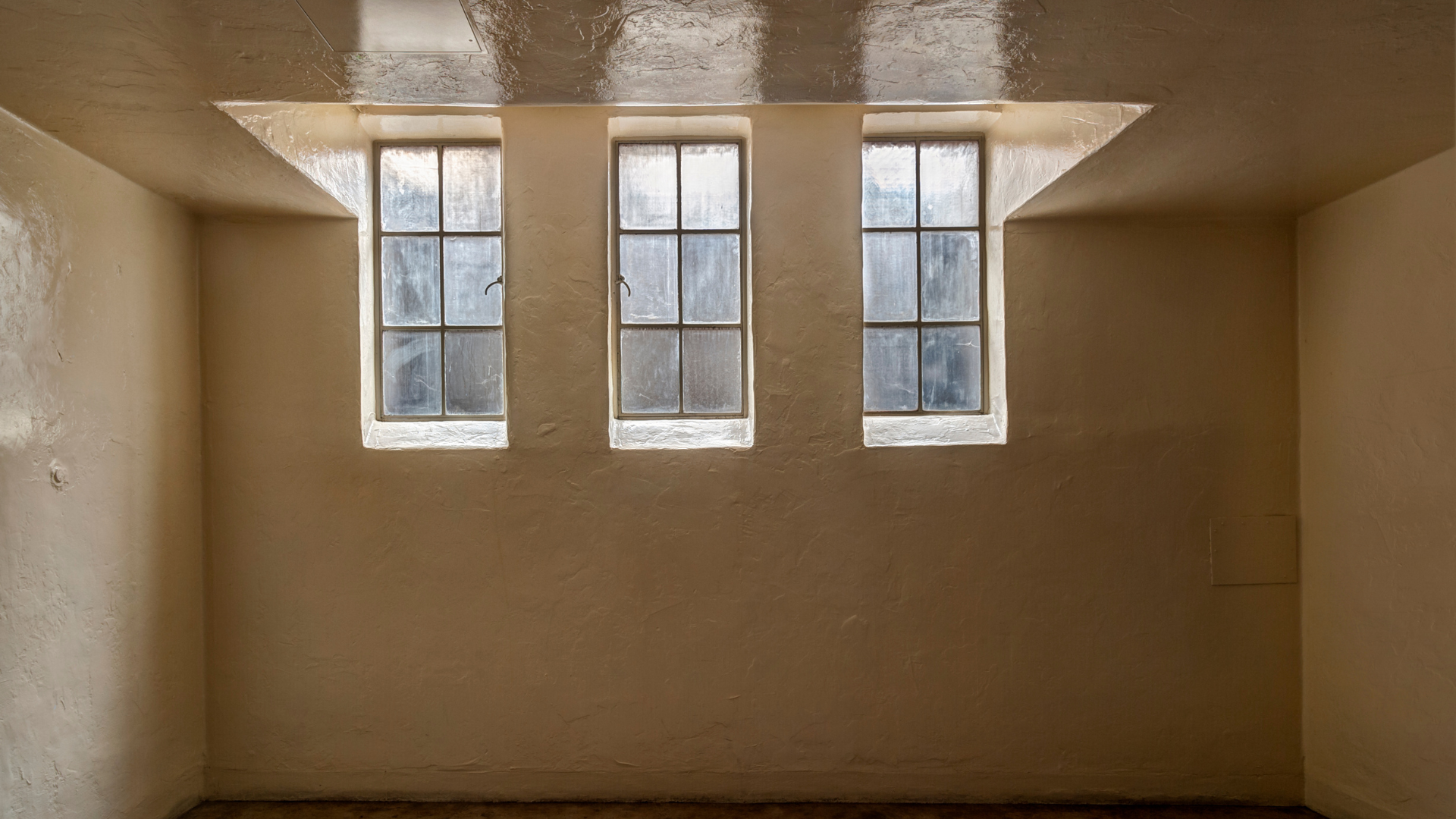
Check your ventilation first. If the weather is good, open a few windows to create airflow and remove moisture from the basement. But if it’s raining or humid outside, keep the windows closed to avoid bringing in damp air.
Also, use fans and dehumidifiers to combat moisture. Place box or oscillating fans near wet floors and walls to pull water out efficiently. Then turn on the dehumidifier to collect moisture from the air, lowering humidity levels and preventing mold growth.
You’ve also got to deal with anything soaked, like area rugs, carpet pads, and upholstered furniture, as they can trap water and take a long time to dry. If they've been exposed to contaminated floodwater, it's best to dispose of them to avoid bacteria and mold problems.
6. Check for mold and structural damage
Let’s start with mold because, trust us, it doesn’t take long for it to start growing (think 24 to 48 hours).
If you’ve ever caught a whiff of that sour, musty odor in an old basement, that’s mold or at least the early stages of it. Mold loves dark, damp places, and your flooded basement is prime real estate for them.
The good news is, there are some easy ways to tell if it’s starting to take hold.
Begin with a visual inspection for mold, which appears as green, black, or white fuzz on drywall or wood trim. Look for stained or darker areas on walls or ceilings. A persistent musty smell after drying can also indicate mold presence.
Assess the basement’s structural integrity by examining walls and support beams. Press on wooden sections or drywall; if it feels soft or spongy, it could be damaged. Look for cracks, particularly if they have grown since the flood.
7. Call in the right help after a flooded basement
If there’s still water you can’t get to or signs that your plumbing or structure might be damaged, that’s your cue to get on the phone. Sometimes, calling in the right expert can mean the difference between a minor fix and a much larger problem down the road.

Time to call a plumber
A licensed plumber is your first call if a burst pipe, a sump pump failure, or a sewage backup causes a flooded basement.
Here are a few signs it’s time to call in a plumbing expert:
There’s water pouring in, and you can’t find the source
You’ve had flooding in the basement even after recent repairs or rerouting
There’s a constant sewer smell or visible sewage backup coming from the drains
When calling a plumber, ask if they offer emergency service, especially if your basement flooded in the middle of the night or over the weekend. Always confirm that they’re licensed and insured. A good plumber will handle the immediate issue, inspect your system, and explain how to stop your basement from flooding again.
If you need help right now, give us a call. At Jovel, our licensed plumbers are available 24/7 for sump pump issues, water backups, or any water-related problems. Contact us anytime, and we’ll get you back on track.
When to bring in water damage restoration pros
If the water’s been sitting for more than a day, you’re smelling mold, or the flood involved sewage, it’s time to bring in a water damage restoration company.
These specialists use industrial equipment to thoroughly dry out areas, test for mold, sanitize surfaces, and replace damaged materials like drywall or insulation. They are essential for flooded basement cleanups, especially with valuable belongings. Professional restoration can also help save furniture, flooring, and personal items that may be at risk.
