
Restaurant Grease Trap Cleaning in Massachusetts: Protect Your Kitchen From Costly Backups
Restaurants across Massachusetts depend on reliable drainage every day. Grease, oils, fats, food particles, and cleaning residue can collect in a trap or interceptor and eventually restrict wastewater flow.
Professional restaurant grease trap cleaning in Massachusetts helps protect your kitchen from backups, persistent odors, operational interruptions, and avoidable repair costs. For restaurant owners, QSR operators, kitchen managers, and property managers in Wakefield and Greater Boston, a planned maintenance program provides comfort, reliability, and peace of mind.
Why Grease Traps Matter in a Commercial Kitchen
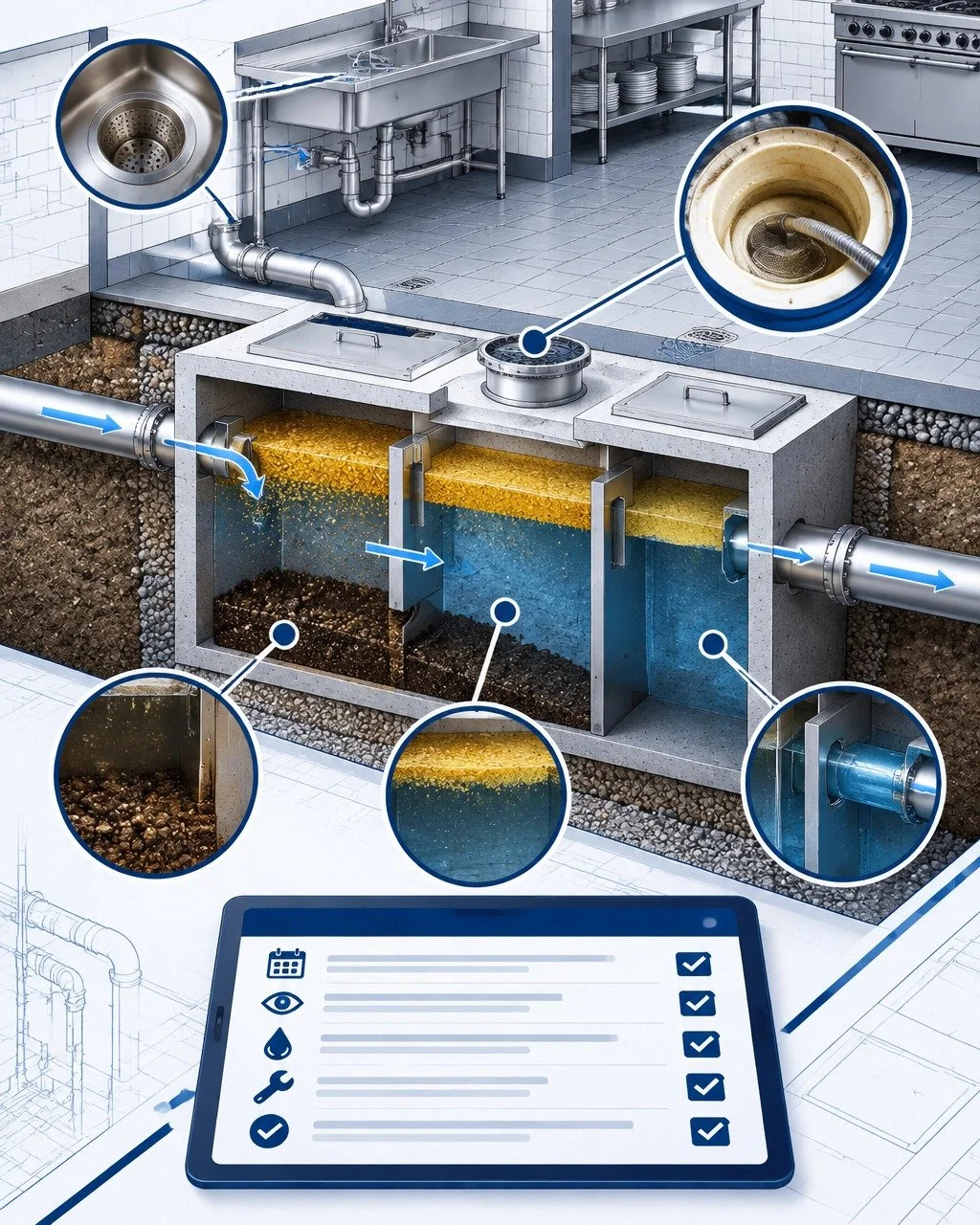
A grease trap separates fats, oils, and grease from wastewater before it enters the building drain system. The trap allows heavier solids to settle while grease rises to the top. Water continues through the outlet line when the system is properly sized, maintained, and cleaned.
A neglected trap can create several problems:
Slow sinks, floor drains, and dishwashing equipment
Grease buildup in downstream drain lines
Foul odors near kitchen fixtures or service areas
Wastewater backups during busy service periods
Slip hazards and unsanitary conditions
Customer complaints and staff disruption
Unexpected repair costs and business interruption
Grease traps also support health code readiness. Local requirements can vary by city, town, sewer authority, and system type. For example, Massachusetts Title 5 guidance for certain septic connected systems includes monthly inspection and cleaning when grease reaches 25 percent of the effective depth or at least every three months, whichever occurs first.
Review the Massachusetts guidance for nonresidential septic system users and your local Board of Health or sewer authority for requirements that apply to your property. Boston businesses can also review Boston Water and Sewer Commission commercial kitchen grease trap guidelines.
Warning Signs Your Grease Trap Needs Service
Your kitchen team should report warning signs early. Small changes in drainage often appear before a complete blockage.
1. Persistent foul odors
A strong rancid smell near a sink, floor drain, cleanout, or trap may indicate decomposing food waste and grease. Odors can also result from a damaged lid seal, a blocked vent, or a trap that has exceeded its service capacity.
2. Slow drains
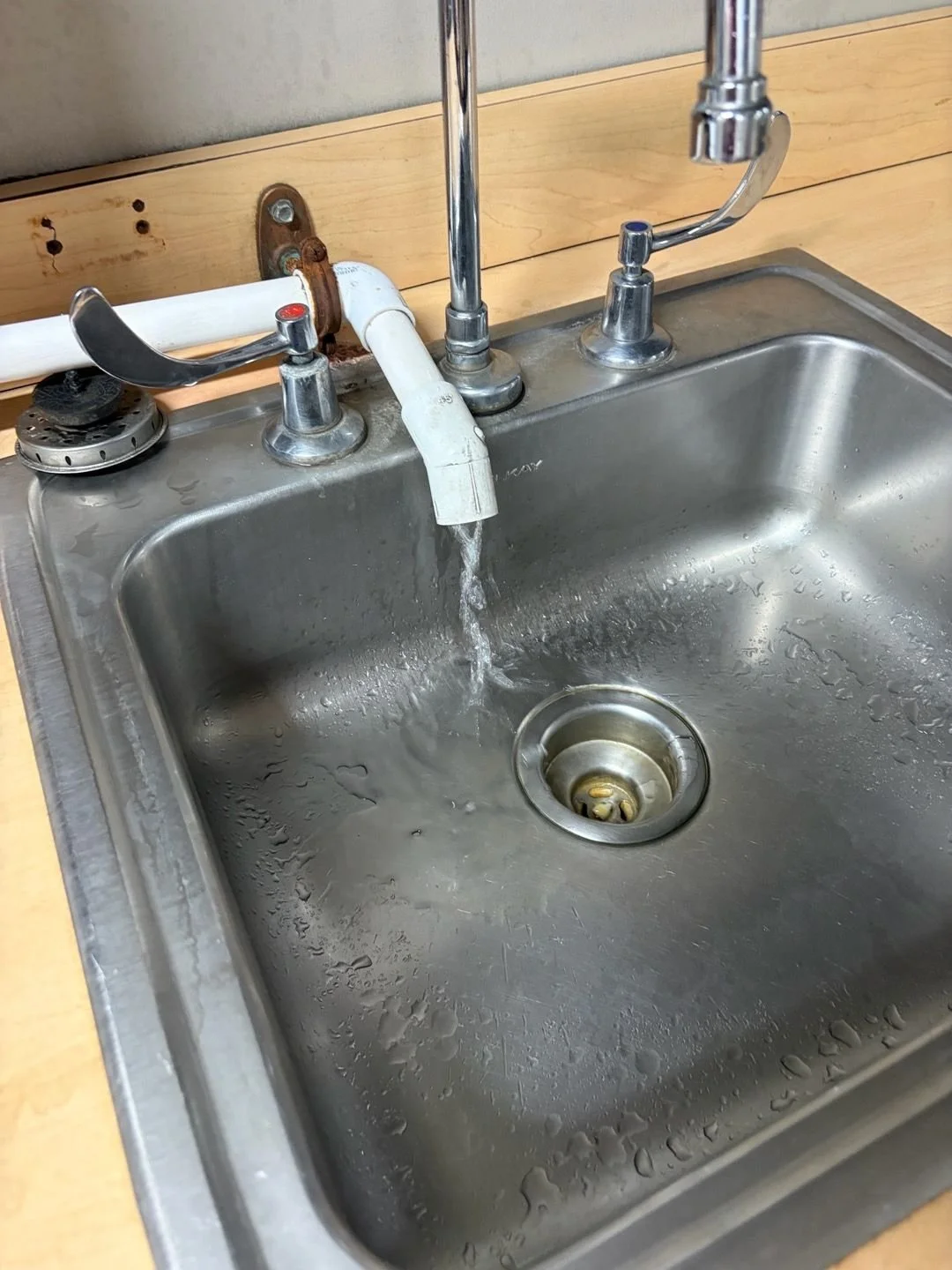
Slow drainage in prep sinks, three compartment sinks, mop sinks, or dishwashing areas can signal grease accumulation. If several fixtures drain slowly at the same time, the problem may extend beyond the trap into the main drain line.
3. Water backing up
Water that rises in a sink or appears around a floor drain requires prompt attention. Grease and wastewater on a kitchen floor create sanitation, slip, and operational risks.
4. Grease near an exterior interceptor
Visible grease around an access cover, cleanout, or interceptor area often indicates overflow, poor sealing, or overdue service. Staff should avoid opening heavy covers without proper equipment and training.
5. Recurring drain problems
A drain that clears temporarily and then slows again may have deeper buildup. Repeated service calls can indicate an incorrect cleaning frequency, poor flow conditions, damaged piping, or an interceptor that requires inspection.
What Professional Grease Trap Cleaning Should Include
Effective service requires more than removing visible grease from the top of a trap. A qualified commercial plumbing team should evaluate the complete system and document the work.
Assessment and safe preparation
The technician should identify the trap or interceptor location, review access conditions, and assess nearby fixtures. The work area should be protected from spills, odors, and unnecessary disruption to food preparation.
Complete removal of grease and solids
Service should remove floating grease, settled food solids, and residue from the trap. Baffles, screens, inlet areas, outlet areas, and accessible surfaces should be cleaned so the trap can perform as designed.
Inspection of components
The technician should evaluate:
Trap covers and seals
Inlet and outlet connections
Baffles and flow control components
Venting and access points
Signs of corrosion, cracks, or structural damage
Drain flow before and after service
Flow testing and cleanup
After cleaning, the technician should test drainage and confirm that wastewater moves through the system properly. The work area should be cleaned and returned to safe operating condition.
Documentation
Your service records should include the service date, location, observed conditions, work performed, photos, and applicable disposal documentation. Jovel Inc. uses photo and checklist documentation to give restaurant managers, owners, and facility teams clear visibility into completed work.
How Often Should a Massachusetts Restaurant Clean Its Grease Trap?
The correct schedule depends on trap size, kitchen volume, menu, equipment, wastewater patterns, and local requirements. A busy QSR with fryers and high food volume may need service more frequently than a smaller café.
A practical maintenance process includes:
Inspect the trap on a defined schedule.
Record grease and solids levels.
Clean the system before buildup reaches the allowed threshold.
Track odors, slow drains, and previous service calls.
Adjust the schedule when kitchen volume or operating hours change.
Confirm local requirements with your municipality or sewer authority.
Many Massachusetts facilities plan for monthly inspection and establish service before grease and solids approach 25 percent of the effective depth. Your local rules may require a shorter interval. External interceptors may also require a licensed hauler or specific disposal records.
A written plan helps your team assign responsibility and maintain consistent records. Jovel can evaluate your commercial plumbing needs and recommend a tailored maintenance schedule for your restaurant, property, or group of locations.
Preventative Habits That Protect Your Kitchen
Professional cleaning works best when combined with daily kitchen habits. Train staff to:
Scrape food waste into containers before washing dishes
Use sink strainers and keep them in place
Store used cooking oil in approved containers
Keep mop water and chemicals out of grease traps when procedures prohibit them
Report slow drains and odors immediately
Keep access areas clear for safe service
Maintain inspection logs and service records
Avoid chemical drain products that may damage plumbing or move grease farther into the system
Your team should also coordinate grease trap maintenance with broader commercial plumbing maintenance. Drain lines, cleanouts, water supply components, backflow devices, and related fixtures all affect kitchen reliability.
What to Do During a Grease Trap Backup
A backup requires immediate action because wastewater can spread contamination and stop kitchen operations.
Follow these steps
Stop using affected sinks, dishwashers, and floor drains.
Keep employees and customers away from standing water.
Isolate electrical equipment near water when it is safe to do so.
Protect food, packaging, and preparation surfaces from contamination.
Do not use chemical drain cleaners on a commercial backup.
Call a commercial plumbing professional for diagnosis and cleanup.
Photograph affected areas for your records and notify the appropriate manager.
Follow local health and sanitation procedures before reopening affected areas.
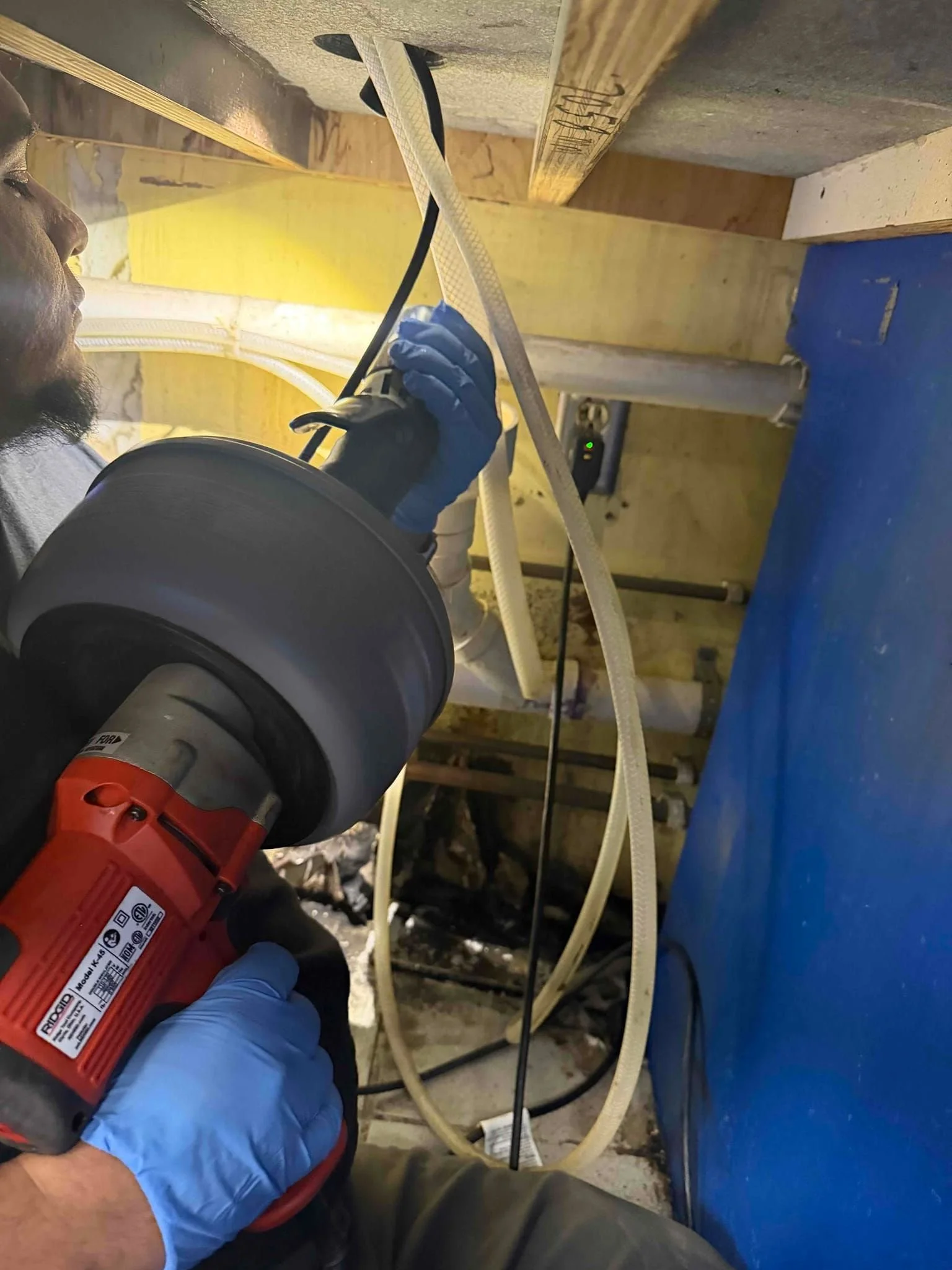
If multiple fixtures back up at once, the issue may involve a main drain or sewer line. A professional may recommend drain cleaning, camera inspection, hydro jetting, or repairs after evaluating the system.
Jovel’s commercial plumbing team can help evaluate urgent drainage problems and coordinate the next step based on the condition of your kitchen plumbing.
Why Restaurants Choose Jovel Inc. in Wakefield and Greater Boston
Jovel Inc. supports commercial customers with plumbing, electrical, and mechanical services. That one call MEP support can simplify facility maintenance when a kitchen issue affects more than one building system.
Our process is designed around clear communication and accountable service:
Technicians evaluate your unique kitchen and drainage conditions.
Estimates explain recommended work before service begins.
Good, Better, Best options support informed decisions.
Photos and checklists document completed work.
ServiceTitan provides visibility into job status, records, and service history.
Portal work follows NTE discipline and required documentation procedures.
Preventative maintenance plans help reduce emergency calls over time.
For national facility management accounts, accurate scope, NTE control, and complete portal documentation support compliance. For direct restaurant and property management customers, clear estimates and digital records make budgeting and bookkeeping easier.
Frequently Asked Questions
How often should a restaurant clean its grease trap in Massachusetts?
The schedule depends on local requirements, trap capacity, and kitchen usage. Many facilities inspect monthly and clean before grease and solids reach 25 percent of the effective depth. Some communities require more frequent service, so confirm the schedule with your local authority.
Can restaurant staff clean a grease trap?
Some small interior traps may be cleaned by trained staff when local rules allow it. External interceptors often require service by an approved or licensed hauler. Your maintenance plan should define who performs the work and which records must be retained.
What is a grease interceptor?
A grease interceptor is a larger grease separation device, often installed outside or below grade. It handles higher wastewater volumes than a small point of use grease trap.
Does grease trap cleaning prevent all drain backups?
Cleaning reduces grease related blockages, but it cannot correct damaged piping, root intrusion, collapsed lines, poor venting, or unrelated obstructions. A recurring problem requires a broader plumbing assessment.
Can Jovel Inc. support other restaurant maintenance needs?
Yes. Jovel provides commercial plumbing, electrical, and HVAC support. You can use one service partner for drainage issues, lighting, power concerns, climate control, and preventative maintenance planning.
Schedule Restaurant Grease Trap Service in Massachusetts
A clean and properly documented grease trap supports safe drainage, odor control, inspection readiness, and reliable kitchen operations. Early service also gives you more control over scheduling, costs, and business continuity.
If your restaurant is in Wakefield, Greater Boston, or another Massachusetts service area, Jovel Inc. can evaluate your needs and provide tailored recommendations.
