
Boiler Installation and Replacement in Massachusetts: A Homeowner’s Guide to Long-Term Comfort
Why boiler installation quality matters in Massachusetts
When you need boiler installation in Massachusetts, the equipment you choose matters. The quality of the evaluation, sizing, installation, startup, and follow up matters just as much.
Massachusetts winters place consistent demands on heating systems. A properly installed boiler can support even comfort, efficient operation, and peace of mind. A poorly selected or incorrectly installed system may lead to cold rooms, higher fuel use, repeated service calls, water leaks, or safety concerns.
A professional evaluation should account for your home’s heating needs, existing radiators or baseboards, domestic hot water demand, venting, fuel type, electrical service, and local code requirements. Jovel Inc. provides residential HVAC, plumbing, and electrical services for Massachusetts homeowners who value durable workmanship and clear communication. Learn more about Jovel residential services.
Signs your boiler may need replacement
Some boiler problems can be repaired. Others indicate that replacement may provide a more practical long term solution.
Common signs include:
Frequent repair calls or repeated component failures
Uneven heat between rooms
Rising fuel bills without a major change in usage
Strange banging, knocking, or rumbling sounds
Water leaks around the boiler or connected piping
Visible corrosion or a damaged heat exchanger
A system that is more than 15 to 20 years old
Difficulty finding replacement parts
Frequent pressure changes or safety shutdowns
Age alone does not determine whether you need a new boiler. A well maintained system may continue operating reliably, while a newer system may require replacement after a serious failure or an unsuitable installation.
A qualified technician should inspect the entire heating system before making a recommendation. This includes the boiler, controls, pumps, expansion tank, safety devices, venting, piping, radiators, baseboards, and thermostat operation.
Boiler repair or replacement: How to decide
Repair is often reasonable when the boiler is relatively young, the issue is isolated, and the system still provides reliable heat. Replacement deserves consideration when repair costs continue to accumulate or when the existing boiler has major efficiency, safety, or compatibility limitations.
Ask your contractor to explain:
The exact cause of the problem
The expected service life of the repaired component
Whether additional failures are likely
How the current system compares with available replacements
Whether the existing venting and controls can support a new boiler
Which option offers the best value for your unique needs
A transparent contractor should explain benefits and drawbacks without pressuring you into a particular decision.
Choosing the right boiler system
Your home, fuel source, comfort preferences, available space, and hot water demand will influence the best system type.
Standard gas or oil boiler
A standard boiler heats water and circulates it through radiators or baseboards. These systems can offer straightforward operation and may work well when replacing similar equipment.
The benefits include familiar service requirements and compatibility with many existing heating systems. The drawbacks may include lower efficiency compared with newer condensing equipment and possible chimney or venting limitations.
High efficiency condensing boiler
A condensing boiler captures additional heat from exhaust gases. It typically requires specialized venting and a condensate drain.
Benefits may include improved fuel efficiency, lower energy use, and compatibility with modern controls. Drawbacks can include higher installation complexity, additional components, and greater sensitivity to incorrect sizing or setup.
Combination boiler
A combination boiler provides space heating and domestic hot water from one unit. It can save mechanical room space and may suit smaller homes.
However, hot water capacity can become limited when several fixtures operate at the same time. A professional should evaluate your household’s peak hot water demand before recommending this option.
Boiler with an indirect water heater
This configuration uses the boiler to heat water stored in a separate tank. It may provide strong hot water performance for larger households.
The system requires more space and additional equipment. Your contractor should evaluate the tank size, piping arrangement, controls, and available installation area.
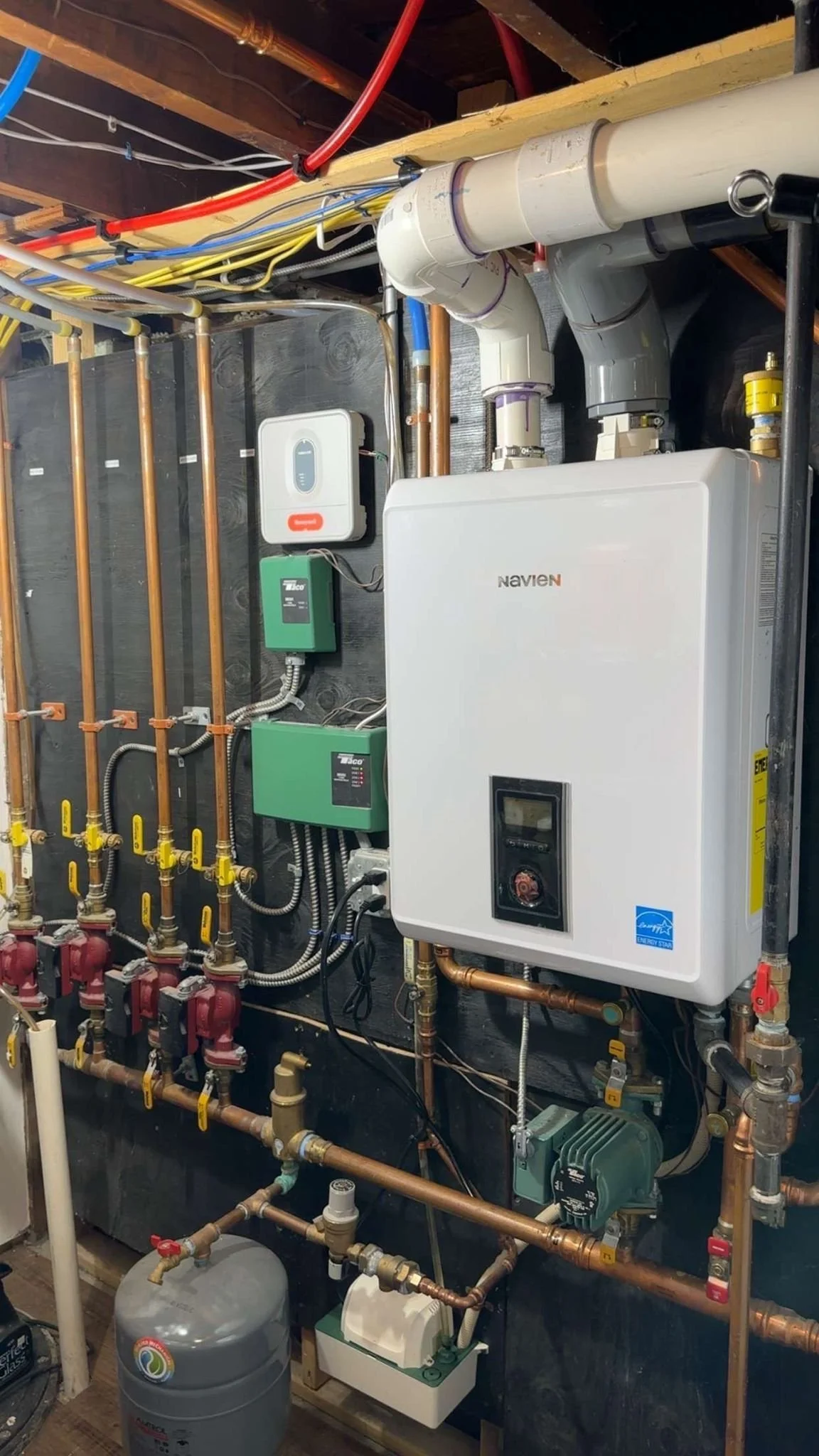
Understanding boiler replacement cost MA
Homeowners often search for boiler replacement cost MA when planning a project. Exact cost depends on several factors, so a reliable contractor should evaluate your home before providing a final proposal.
Important cost factors include:
System type and fuel source
Boiler capacity and heating requirements
Home layout and existing distribution system
Site conditions and access to the mechanical room
New piping, pumps, controls, or expansion equipment
Venting or chimney modifications
Condensate drainage requirements
Electrical upgrades
Removal and disposal of existing equipment
Permit and inspection requirements
Code changes that affect the scope of work
Warranty and post installation service options
Ask for an itemized estimate that clearly separates equipment, labor, permits, disposal, materials, and optional improvements. Jovel can present Good, Better, Best estimates so you can compare tailored solutions according to your priorities and budget.
Proper sizing protects comfort and efficiency
A new boiler should be sized for your home’s actual heat loss. Replacing an old unit with the same capacity may result in an oversized system.
An oversized boiler may cycle on and off too frequently. This can reduce efficiency, increase wear, create temperature swings, and shorten equipment life. An undersized boiler may struggle to keep rooms comfortable during severe Massachusetts weather.
A thorough sizing evaluation should consider:
Home square footage
Insulation levels
Window size and condition
Air leakage
Ceiling height
Existing radiators or baseboards
Number of heating zones
Domestic hot water demand
Planned home improvements
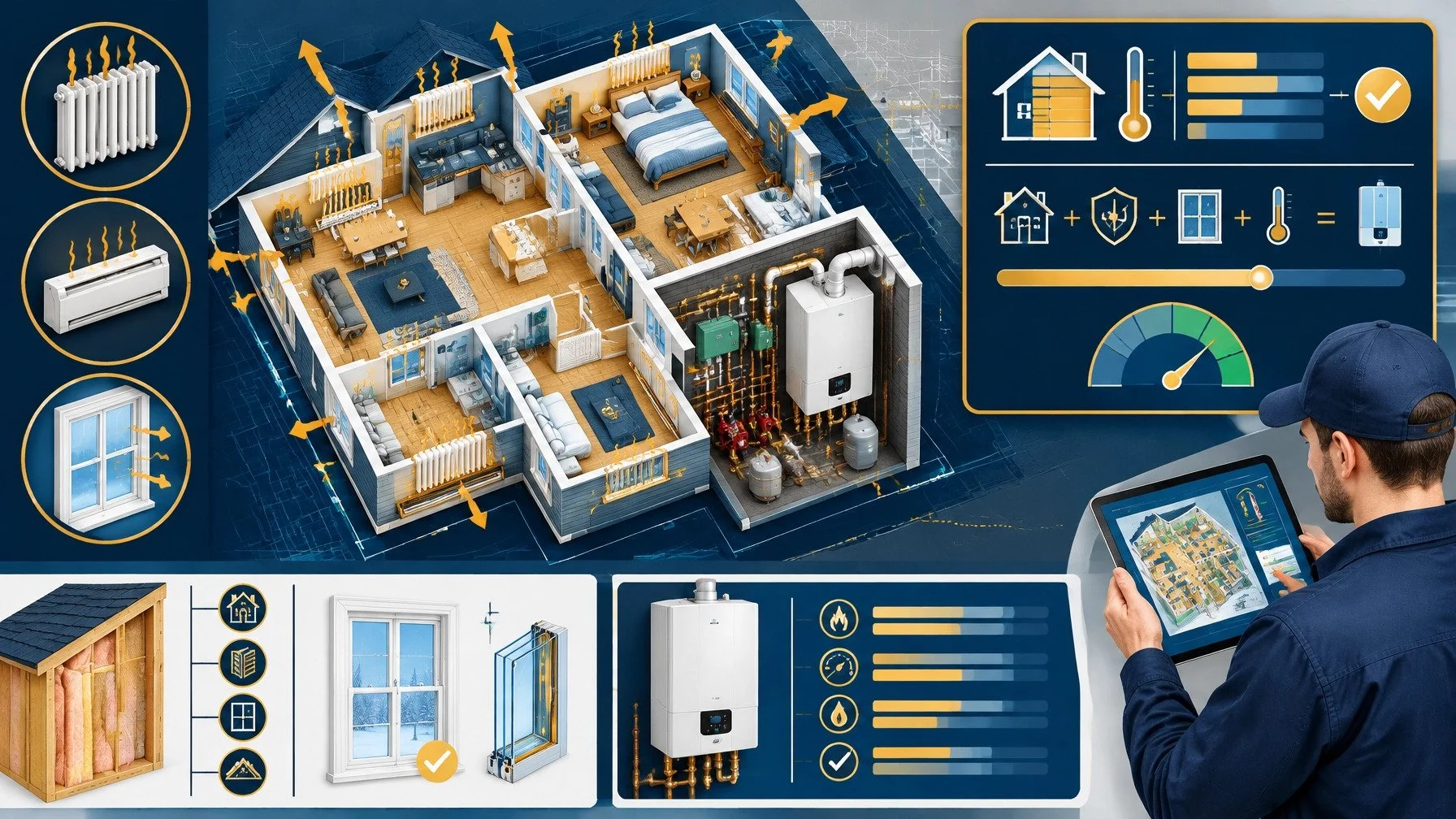
Ask your contractor to explain the capacity recommendation in plain language. A professional should be able to show how the selected boiler matches your home rather than relying only on the old unit’s rating.
Installation quality, safety, and Massachusetts code requirements
Boiler installation involves fuel, water, electricity, combustion, pressure, and exhaust. Licensed professionals should handle the work and coordinate required permits and inspections.
For example, the City of Boston states that a contractor with a valid Massachusetts trade license must apply for a plumbing permit and perform plumbing work related to installing or replacing a boiler. Review the Boston boiler permit requirements and confirm requirements with your local building department.
Your installation team should evaluate and handle:
Gas, oil, or electrical connections
Proper venting and combustion air
Required service clearances
Pressure relief and safety devices
Backflow protection and system fill pressure
Condensate drainage for condensing boilers
Electrical controls and disconnects
Leak testing and system pressure testing
Startup procedures and thermostat operation
Required permits and inspections
Never ignore gas odors, oil odors, repeated safety shutdowns, or visible water leaks. Turn off the system when appropriate and contact a qualified professional.
What a professional boiler installation process looks like
A careful installation typically follows a clear sequence:
Assessment: The technician reviews the existing system, home layout, heating distribution, fuel supply, venting, and mechanical room.
Sizing: The team evaluates heat loss and domestic hot water demand.
Selection: You receive personalized recommendations with clear benefits, drawbacks, and estimated scope.
Preparation: The contractor schedules the work, protects the home, and explains the expected timeline.
Removal: The existing boiler is disconnected, removed, and disposed of properly.
Installation: The new boiler, piping, controls, safety devices, venting, and condensate equipment are installed according to manufacturer instructions and local requirements.
Testing: The team fills and purges the system, checks pressure, tests heating zones, verifies controls, and checks for leaks.
Homeowner walkthrough: The technician explains operation, shutoff locations, maintenance needs, warranty terms, and service documentation.
Warranties and preventative maintenance
Ask about both the manufacturer warranty and the installer workmanship warranty. Confirm what each warranty covers, how long coverage lasts, and whether annual maintenance is required.
Preventative maintenance can help identify developing problems before they interrupt comfort. A service visit may include:
Burner and heat exchanger inspection
Combustion and efficiency testing
Venting and flue review
Pressure and temperature checks
Safety control testing
Expansion tank and relief valve inspection
Circulator and zone valve testing
Condensate trap and drain review
Leak inspection
Thermostat and control verification
Keep service records and follow the manufacturer’s maintenance schedule. You can also review Jovel’s perspective on reactive and proactive maintenance.
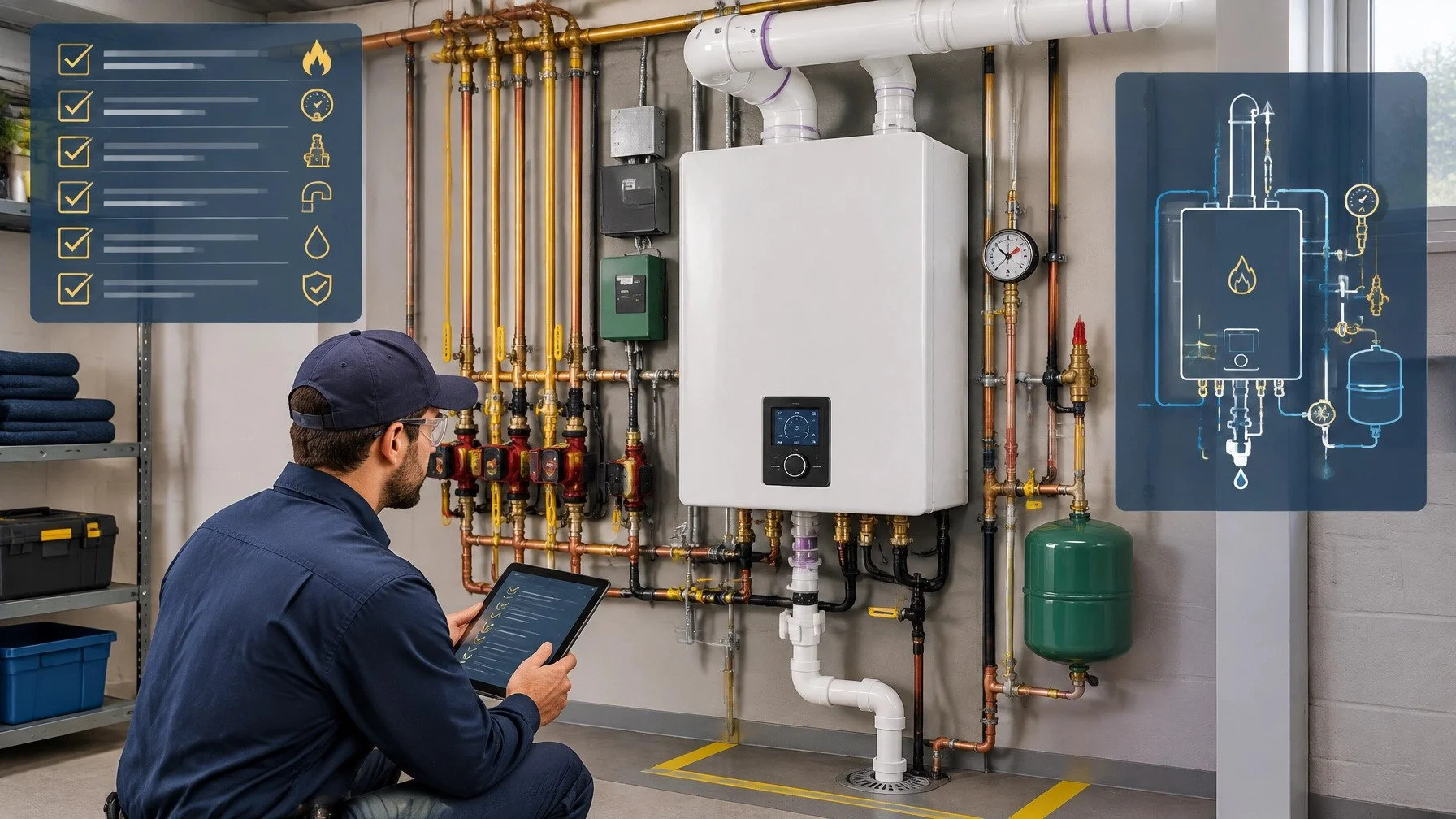
How to compare boiler installation bids
The lowest estimate may not represent the lowest total cost over the life of the system. Compare the full scope of work and the contractor’s communication process.
Look for:
A written heat loss or sizing explanation
Clear equipment model and capacity information
Itemized labor and material costs
Permit and inspection responsibilities
Venting and condensate details
Included controls and accessories
Manufacturer and workmanship warranties
Estimated project timeline
Removal and disposal details
Post installation support
Maintenance recommendations
High value homeowners also prioritize the service experience. Ask whether you will receive text updates, a technician bio before arrival, digital signatures, clean uniforms, clear digital invoices, and a straightforward explanation of your home’s mechanical, electrical, and plumbing systems.
Jovel uses Good, Better, Best estimates to give you meaningful choices. The goal is a tailored solution that supports comfort, reliability, and long term value.
Frequently asked questions
How long does a residential boiler last?
Many boilers can operate for 15 to 20 years or longer with suitable installation and regular maintenance. Actual service life depends on equipment quality, water conditions, usage, maintenance, and the quality of the original installation.
What is AFUE?
AFUE means Annual Fuel Utilization Efficiency. It describes how much of a fuel source becomes usable heat over a typical year. A higher AFUE rating may improve efficiency, though the best choice also depends on installation conditions, system design, and operating costs.
Do I need a permit for boiler replacement in Massachusetts?
Permit requirements depend on the location and project scope. Boiler replacement commonly involves plumbing, fuel, mechanical, or electrical requirements. Your contractor should identify applicable permits and coordinate inspections with the local authority.
Should I choose a combi boiler or an indirect water heater?
The right option depends on your home size, hot water demand, available space, and comfort preferences. A combi boiler may suit a smaller household, while an indirect water heater may better support higher demand.
How much does boiler replacement cost in Massachusetts?
There is no single accurate price for every home. Boiler replacement cost MA depends on system type, capacity, site conditions, code requirements, and the total scope of work. Request an itemized evaluation rather than relying on a general online number.
How often should a boiler receive maintenance?
Annual professional maintenance is a practical schedule for many Massachusetts homes. Follow the manufacturer’s requirements and schedule service before the heating season when possible.
Plan your Massachusetts boiler project with confidence
A successful boiler replacement begins with a complete evaluation and a clear plan. When you choose licensed professionals who explain system options, document the work, respect your home, and provide tailored recommendations, you gain greater comfort and peace of mind throughout the project.ps://jovelinc.com.
