
Water Heater Replacement in Wakefield, MA: Quality Options for Your Home
Your water heater supports daily comfort, cleanliness, and peace of mind. When performance starts to decline, choosing the right replacement requires more than selecting the first available unit.
For homeowners searching for water heater replacement Wakefield MA, Jovel Inc. provides a professional residential experience built around clear communication, tailored solutions, and quality workmanship. You receive technician information before arrival, text updates, digital signatures, clear system explanations, and Good, Better, Best estimates with transparent pricing.
Signs You May Need Water Heater Replacement
A water heater often provides warning signs before a complete failure. Schedule an assessment if you notice:
Water pooling around the tank or connections
Rust colored water from hot water fixtures
Rumbling, popping, or banging sounds
Water that becomes hot slowly or runs out quickly
Frequent repairs to the same unit
Rising energy bills without a clear explanation
A tank that is more than 10 years old
Visible corrosion around the tank, valves, or fittings
A leak from the tank itself usually indicates internal corrosion. A plumber may repair a valve or connection, but a compromised tank generally requires replacement to protect your home from water damage.
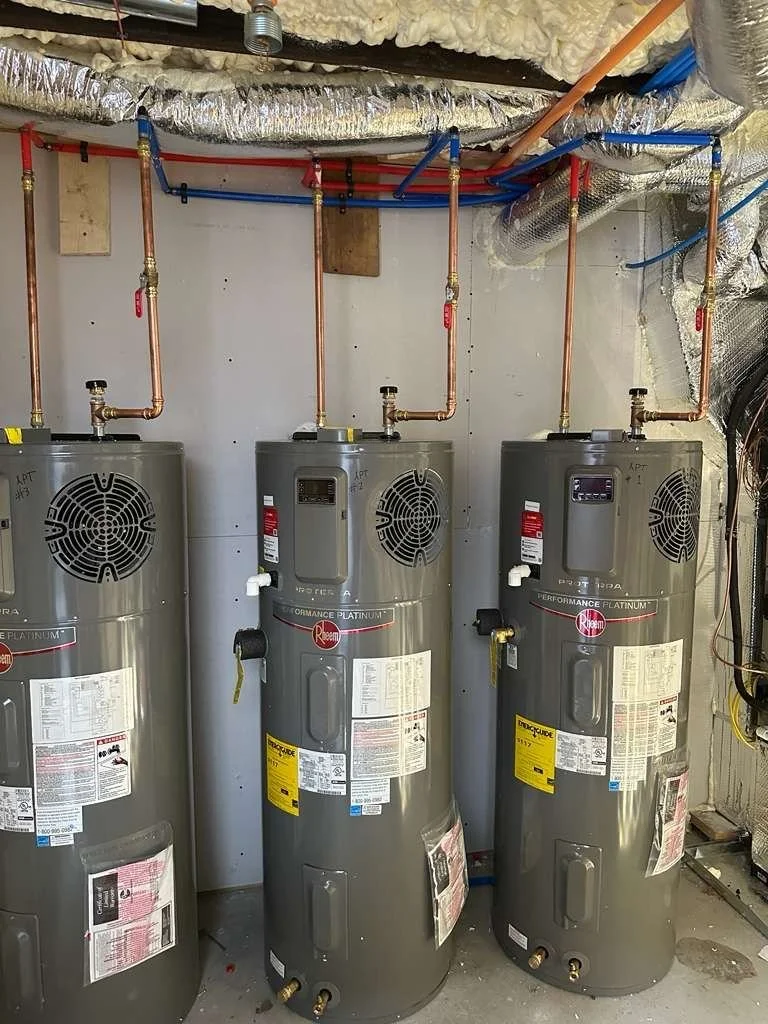
Repair or Replacement: Which Option Makes Sense?
A repair may be appropriate when the water heater is relatively new and the problem involves a replaceable component. Common repair items include a heating element, thermostat, temperature relief valve, gas control, or connection.
Replacement may provide better value when the unit is older, inefficient, corroded, or repeatedly failing. Continuing to repair an aging system can increase inconvenience and raise the risk of a sudden leak.
During an assessment, Jovel evaluates:
The age and condition of the water heater
The source of the current problem
Your household hot water demand
Available gas, electrical, plumbing, and venting connections
The installation location and drainage requirements
Your plans for the home
Potential efficiency improvements
You receive personalized recommendations based on your unique needs. Jovel can explain the benefits and drawbacks of repairing your existing system compared with installing a new tank or tankless model.
Tank or Tankless Water Heater?
The best water heater depends on how you use hot water, how much space you have, and your long term priorities.
Conventional tank water heaters
A tank water heater stores and heats a set amount of water. This familiar design can be a practical choice for homeowners who want a straightforward replacement.
Benefits include:
Generally simpler replacement when the existing setup is compatible
Familiar operation and maintenance
Reliable performance when properly sized
Often lower initial equipment and installation costs
Strong recovery for homes with several fixtures
Potential drawbacks include:
Stored water can lose heat when no one is using it
Hot water can run out during periods of high demand
The unit requires dedicated floor space
An aging tank can create a significant leak risk
A properly sized tank may work well for a household with consistent daily demand and an existing location that can accommodate the equipment.
Tankless water heaters
A tankless system heats water as you use it. The compact unit can free floor space and may reduce standby heat loss.
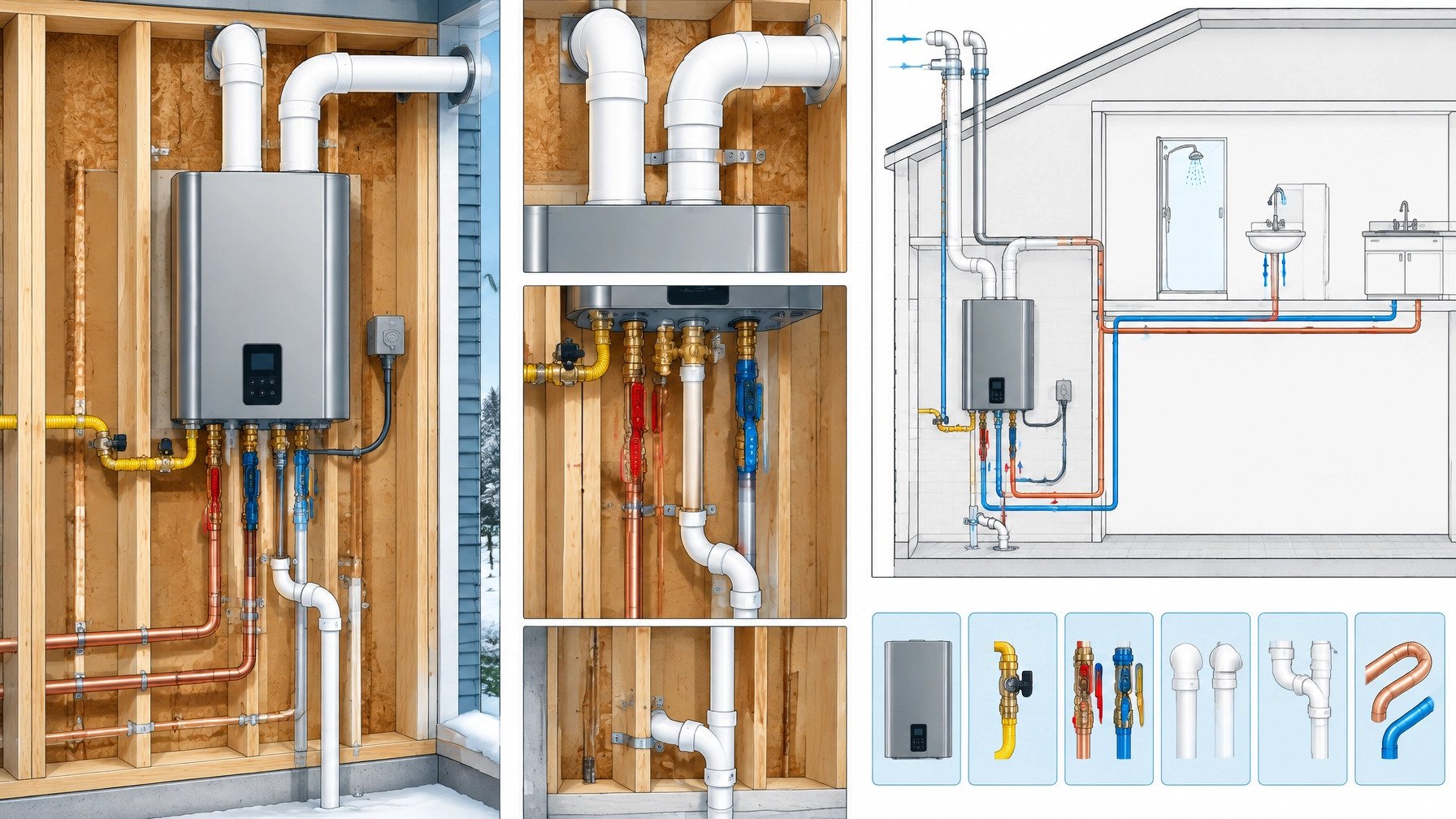
Benefits include:
Continuous hot water when the system is correctly sized
Compact wall mounted design
Reduced standby heat loss
Potentially lower energy use
Longer expected service life when maintained properly
Potential drawbacks include:
Higher initial investment in many installations
More detailed sizing based on flow rate and temperature rise
Possible gas line, venting, electrical, or condensate changes
Maintenance requirements that should be discussed before installation
If you are researching tankless water heater installation Massachusetts, ask the installer to evaluate your home’s incoming water temperature, fixture flow rates, fuel source, venting, and available electrical capacity. A tankless unit that is too small may struggle when several fixtures operate at the same time.
How Jovel Sizes Your New Water Heater
Correct sizing helps ensure comfort and efficiency. Jovel considers your household’s actual usage instead of selecting a unit based only on the size of your existing heater.
The assessment may include:
Number of people living in the home
Number of bathrooms and hot water fixtures
Typical shower and bathing habits
Laundry and dishwasher use
Simultaneous hot water demand
Available installation space
Gas, electrical, and venting conditions
Future plans such as a bathroom renovation or finished living space
For a tank system, sizing usually focuses on storage capacity and recovery rate. For a tankless system, the calculation includes gallons per minute and temperature rise. Massachusetts winters can bring colder incoming water, so professional sizing is especially important.
Installation Details That Protect Your Home
A quality water heater installation includes more than connecting a new appliance. The installer should evaluate the entire installation area and ensure the system is safe, accessible, and code compliant.
Your project may involve:
Shutoff valves and properly routed water lines
A drain pan and suitable drainage
An expansion tank when required
Temperature and pressure relief protection
Proper gas connections and combustion review
Correct venting for gas equipment
Condensate drainage for applicable tankless systems
Electrical connections and circuit evaluation
Safe removal and disposal of the old unit
Testing of temperature, pressure, flow, and connections
In Massachusetts, plumbing and gas work should be performed by appropriately licensed professionals. Ask your provider how permits and inspections will be handled for your Wakefield home. You can review Massachusetts licensing information through the Massachusetts plumbing and gas fitting guidance.
What to Expect From the Jovel Residential Experience
Your home deserves a service process that feels organized from the first conversation through final testing. Jovel brings a commercial grade standard of documentation and coordination to residential plumbing.
You can expect:
Technician information before arrival
Clean uniforms and respectful home care
Text updates about scheduling and progress
A clear assessment of your existing system
Good, Better, Best recommendations
Digital signatures and documentation
A plain language explanation of the completed work
Post installation support and maintenance guidance
Jovel’s residential services include plumbing, HVAC, electrical, and handyman support for Massachusetts homeowners. Learn more through the Jovel residential services page.
What to Do During a Water Heater Emergency
If you are searching for emergency water heater repair near me, take safe steps while waiting for professional help.
If the tank is leaking
Turn off the cold water supply valve above the heater if it is safe to reach
Turn off power at the electrical panel for an electric unit
Set the gas control to off for a gas unit if there is no gas odor
Move valuables away from the water
Avoid standing water near electrical equipment
Call a licensed plumber for an urgent assessment
If you smell gas
Do not operate switches, relight the unit, or investigate the equipment. Leave the area and contact your gas utility or emergency services. After the area is declared safe, a licensed gas fitter or plumber can evaluate the water heater.
For broader water emergencies, Jovel’s guide on what to do if your basement floods offers additional safety information.
Questions to Ask About Warranties
Warranty coverage varies by manufacturer, model, installation, and registration requirements. Ask for the details in writing before approving the work.
Important questions include:
What parts are covered?
Is labor included?
How long does coverage last?
Are there conditions related to water quality or maintenance?
Who handles a warranty claim?
Does professional installation affect coverage?
What maintenance does the manufacturer recommend?
What happens if the unit needs replacement under the warranty?
A professional installer should explain the manufacturer’s published terms without promising coverage that has not been verified.
Frequently Asked Questions
How long does a tank water heater usually last?
Many conventional tank water heaters last about 10 to 15 years. Water quality, maintenance, installation quality, and usage can affect service life.
How long can a tankless water heater last?
A properly installed and maintained tankless system may last longer than a conventional tank. Your installer should explain the maintenance schedule and expected service life for the specific model selected.
Is tankless always more efficient?
Tankless systems can reduce standby heat loss because they heat water on demand. Actual efficiency depends on the equipment, fuel source, sizing, usage, and installation quality.
Can I replace my water heater with a different type?
Possibly. Changing from a tank to a tankless system may require new venting, gas line adjustments, condensate drainage, electrical work, or other modifications. A professional assessment should happen before you choose a model.
How quickly can a leaking water heater be replaced?
Timing depends on the severity of the leak, equipment availability, access, permits, and installation requirements. Call Jovel at (978) 593-3220 so the team can understand your situation and discuss the next step.
Schedule Water Heater Replacement in Wakefield
A new water heater is an investment in comfort, property protection, and reliable daily living. Jovel Inc. will evaluate your current system, explain your options, and recommend a tailored solution for your Wakefield home.
